Comparing the Costs and Savings of New Boiler Installations
Replacing a boiler is a significant home improvement decision, with costs varying depending on the boiler type, property size, installation requirements and existing pipework. Discover what affects the cost of a new boiler, when replacement may make more financial sense than repair, and how a modern high-efficiency boiler could help reduce your energy and maintenance costs over time.

Why you can trust our content
We understand that the boiler industry can be confusing, with plenty of outdated or misleading information. That’s why we rely only on trusted, proven sources to guide our advice and installations:

At a glance
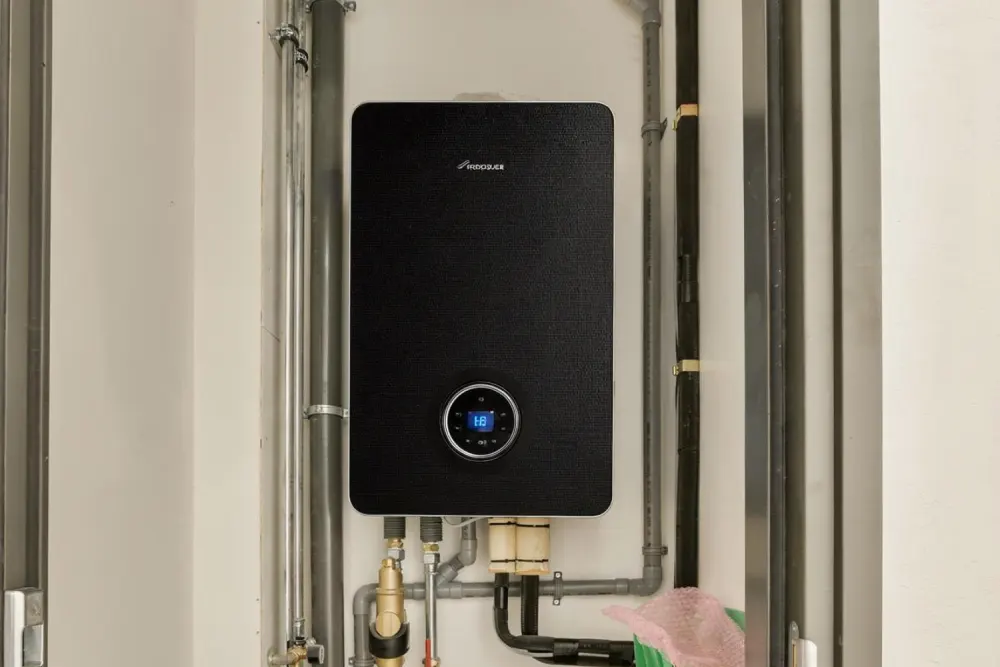
Few home improvement decisions involve as much second-guessing as replacing a boiler. It’s a significant outlay, the options can feel confusing and it’s not always easy to judge whether the timing is right. But understanding what drives the cost of a new boiler installation – and what savings a new unit can realistically deliver over time – makes the decision considerably clearer.
This guide walks through the factors that affect boiler replacement costs, what you can expect from a modern high efficiency unit and how to approach the comparison sensibly.
For a no-obligation boiler installation quote tailored to your property, the Thermwise team is ready to help.
What Factors Affect the Cost of a New Boiler Installation?
The cost for a new boiler installation isn’t a single fixed figure – it varies depending on several specific factors related to your property and the scope of work involved.
The main influences on price include:
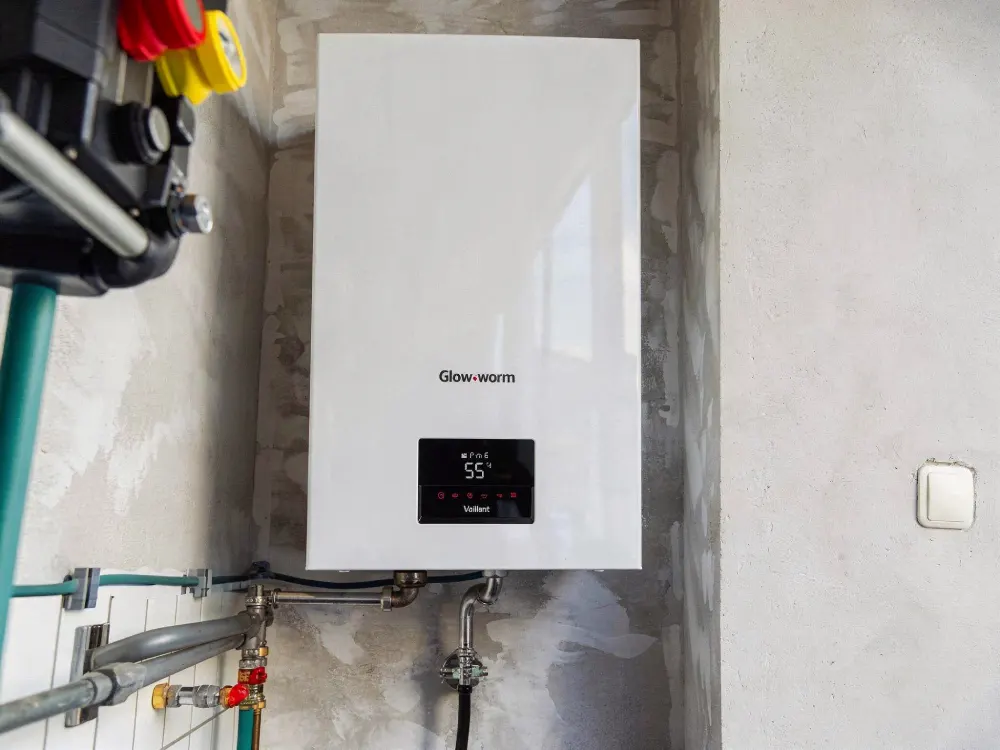
- Boiler type and brand – a premium Vaillant unit will sit at a different price point to an entry-level Glow-worm, and combi, system and regular boilers each carry different base costs
- Property size – larger homes require higher output boilers, which affects the unit cost
- Type of swap – a combi-to-combi straight swap is the most straightforward job; converting from a system or regular boiler to a combi involves more labour and materials
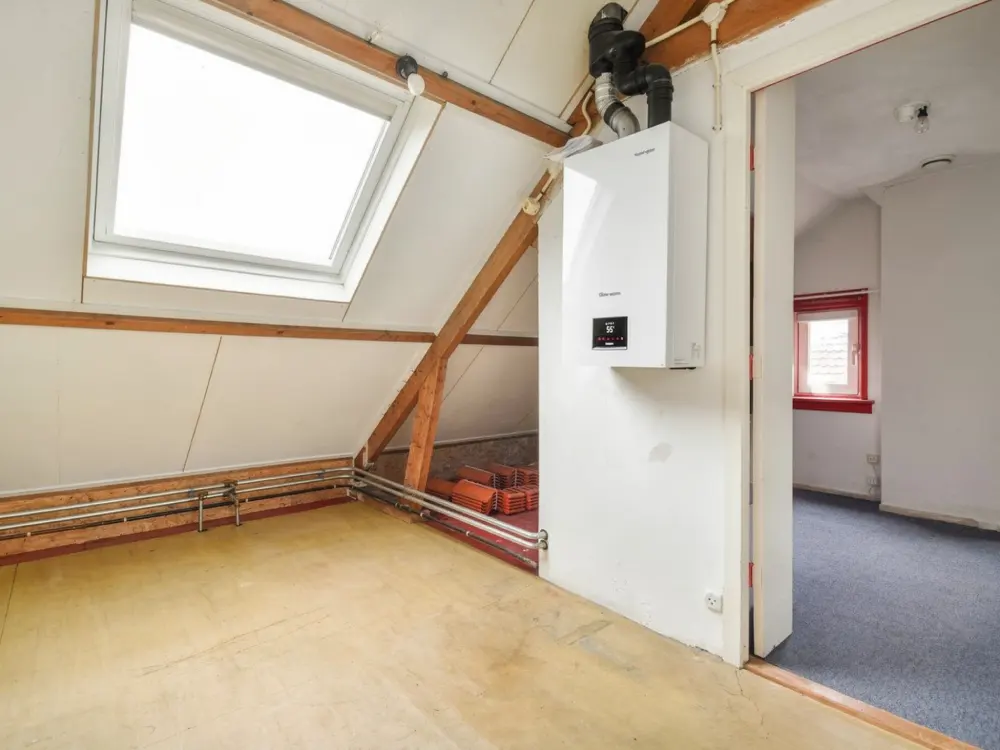
- Boiler location – moving a boiler from its existing position adds to the scope; a relocation to a loft space involves different costs to a move within the kitchen
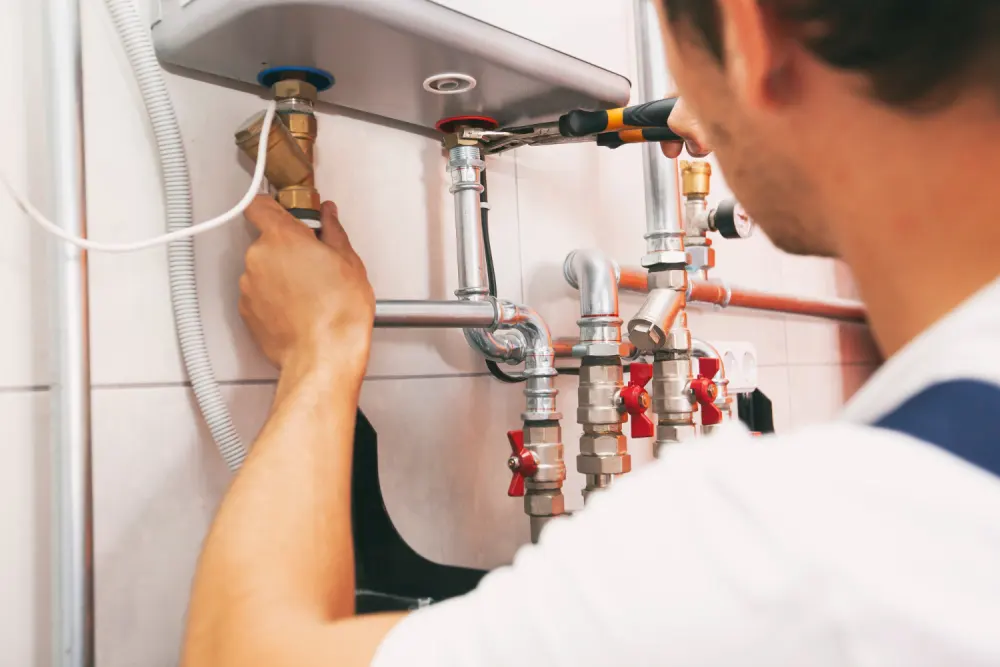
- Condition of existing pipework – if the pipework needs attention before the new boiler is connected, this will be reflected in the overall quote
Being clear on these factors upfront allows for an accurate, like-for-like comparison when gathering quotes.
Is It Cheaper to Repair or Replace Your Boiler?
This is one of the most common questions homeowners ask, and the honest answer depends on the age and condition of the existing unit.
As a general rule of thumb, if a repair costs more than half what a new boiler would cost and the existing unit is already over 8-10 years old, replacement almost always makes more financial sense. An older boiler that’s repaired today is likely to develop further faults in the coming months – and the cumulative repair costs can quickly approach or exceed the cost of a straight replacement.
There’s also an efficiency argument. An older boiler running at reduced efficiency is costing more in gas every single month. A new, high efficiency condensing boiler reduces that ongoing running cost, which should be factored into the comparison alongside the upfront figures. The total cost of ownership over several years paints a very different picture to the immediate repair versus replace calculation.
If you’re unsure which route makes sense for your situation, Thermwise will give you a straightforward, honest assessment rather than automatically steering you toward a replacement.
See how much you could save
Which fuel powers your boiler?
Mains Gas
LPG
It just takes 60 Seconds
And then you can book a free consultation
What Long-Term Savings Can a New Boiler Deliver?
The ongoing savings from a modern condensing boiler come from two main areas: improved fuel efficiency and reduced repair frequency.
On the efficiency side, if your current boiler is more than a decade old and operating at lower efficiency than a modern unit, a meaningful portion of the gas you’re paying for is being wasted. A new A-rated condensing boiler extracts significantly more heat from each unit of gas. Over years of daily use across a North London home, this adds up.
On the maintenance side, a new boiler within warranty – and serviced annually – should require very little unplanned attention. Compare that to an ageing unit where repair call-outs, replacement parts and engineers’ time are a recurring expense, and the picture shifts in favour of replacement relatively quickly.
Thermwise also offers the OneProtect care plan, giving homeowners ongoing peace of mind with planned maintenance built in from the outset.
Making Finance Work for a New Boiler
For many households, the upfront cost for a new boiler installation is the main barrier to acting. Boiler finance allows you to spread that cost over regular monthly payments, making it possible to upgrade to a quality, properly specified unit rather than delaying or opting for a cheaper short-term fix.
Thermwise offers finance options to qualifying customers, allowing the cost of a new boiler fitting to be managed comfortably without compromising on the standard of work or the quality of the unit chosen. It’s always worth asking about finance at the quoting stage so you have a complete picture of your options before making a decision.
A new boiler funded through manageable payments, generating monthly savings through improved efficiency, often represents a more sensible long-term position than keeping an old unit limping along.
Related articles
Which fuel powers your boiler?
Mains Gas
LPG
At a glance
Few home improvement decisions involve as much second-guessing as replacing a boiler. It’s a significant outlay, the options can feel confusing and it’s not always easy to judge whether the timing is right. But understanding what drives the cost of a new boiler installation – and what savings a new unit can realistically deliver over time – makes the decision considerably clearer.
This guide walks through the factors that affect boiler replacement costs, what you can expect from a modern high efficiency unit and how to approach the comparison sensibly.
For a no-obligation boiler installation quote tailored to your property, the Thermwise team is ready to help.
What Factors Affect the Cost of a New Boiler Installation?
The cost for a new boiler installation isn’t a single fixed figure – it varies depending on several specific factors related to your property and the scope of work involved.
The main influences on price include:
- Boiler type and brand – a premium Vaillant unit will sit at a different price point to an entry-level Glow-worm, and combi, system and regular boilers each carry different base costs
- Property size – larger homes require higher output boilers, which affects the unit cost
- Type of swap – a combi-to-combi straight swap is the most straightforward job; converting from a system or regular boiler to a combi involves more labour and materials
- Boiler location – moving a boiler from its existing position adds to the scope; a relocation to a loft space involves different costs to a move within the kitchen
- Condition of existing pipework – if the pipework needs attention before the new boiler is connected, this will be reflected in the overall quote
Being clear on these factors upfront allows for an accurate, like-for-like comparison when gathering quotes.
Is It Cheaper to Repair or Replace Your Boiler?
This is one of the most common questions homeowners ask, and the honest answer depends on the age and condition of the existing unit.
As a general rule of thumb, if a repair costs more than half what a new boiler would cost and the existing unit is already over 8-10 years old, replacement almost always makes more financial sense. An older boiler that’s repaired today is likely to develop further faults in the coming months – and the cumulative repair costs can quickly approach or exceed the cost of a straight replacement.
There’s also an efficiency argument. An older boiler running at reduced efficiency is costing more in gas every single month. A new, high efficiency condensing boiler reduces that ongoing running cost, which should be factored into the comparison alongside the upfront figures. The total cost of ownership over several years paints a very different picture to the immediate repair versus replace calculation.
If you’re unsure which route makes sense for your situation, Thermwise will give you a straightforward, honest assessment rather than automatically steering you toward a replacement.
See how much you could save
Which fuel powers your boiler?
Mains Gas
LPG
It just takes 60 Seconds
And then you can book a free consultation
What Long-Term Savings Can a New Boiler Deliver?
The ongoing savings from a modern condensing boiler come from two main areas: improved fuel efficiency and reduced repair frequency.
On the efficiency side, if your current boiler is more than a decade old and operating at lower efficiency than a modern unit, a meaningful portion of the gas you’re paying for is being wasted. A new A-rated condensing boiler extracts significantly more heat from each unit of gas. Over years of daily use across a North London home, this adds up.
On the maintenance side, a new boiler within warranty – and serviced annually – should require very little unplanned attention. Compare that to an ageing unit where repair call-outs, replacement parts and engineers’ time are a recurring expense, and the picture shifts in favour of replacement relatively quickly.
Thermwise also offers the OneProtect care plan, giving homeowners ongoing peace of mind with planned maintenance built in from the outset.
Making Finance Work for a New Boiler
For many households, the upfront cost for a new boiler installation is the main barrier to acting. Boiler finance allows you to spread that cost over regular monthly payments, making it possible to upgrade to a quality, properly specified unit rather than delaying or opting for a cheaper short-term fix.
Thermwise offers finance options to qualifying customers, allowing the cost of a new boiler fitting to be managed comfortably without compromising on the standard of work or the quality of the unit chosen. It’s always worth asking about finance at the quoting stage so you have a complete picture of your options before making a decision.
A new boiler funded through manageable payments, generating monthly savings through improved efficiency, often represents a more sensible long-term position than keeping an old unit limping along.